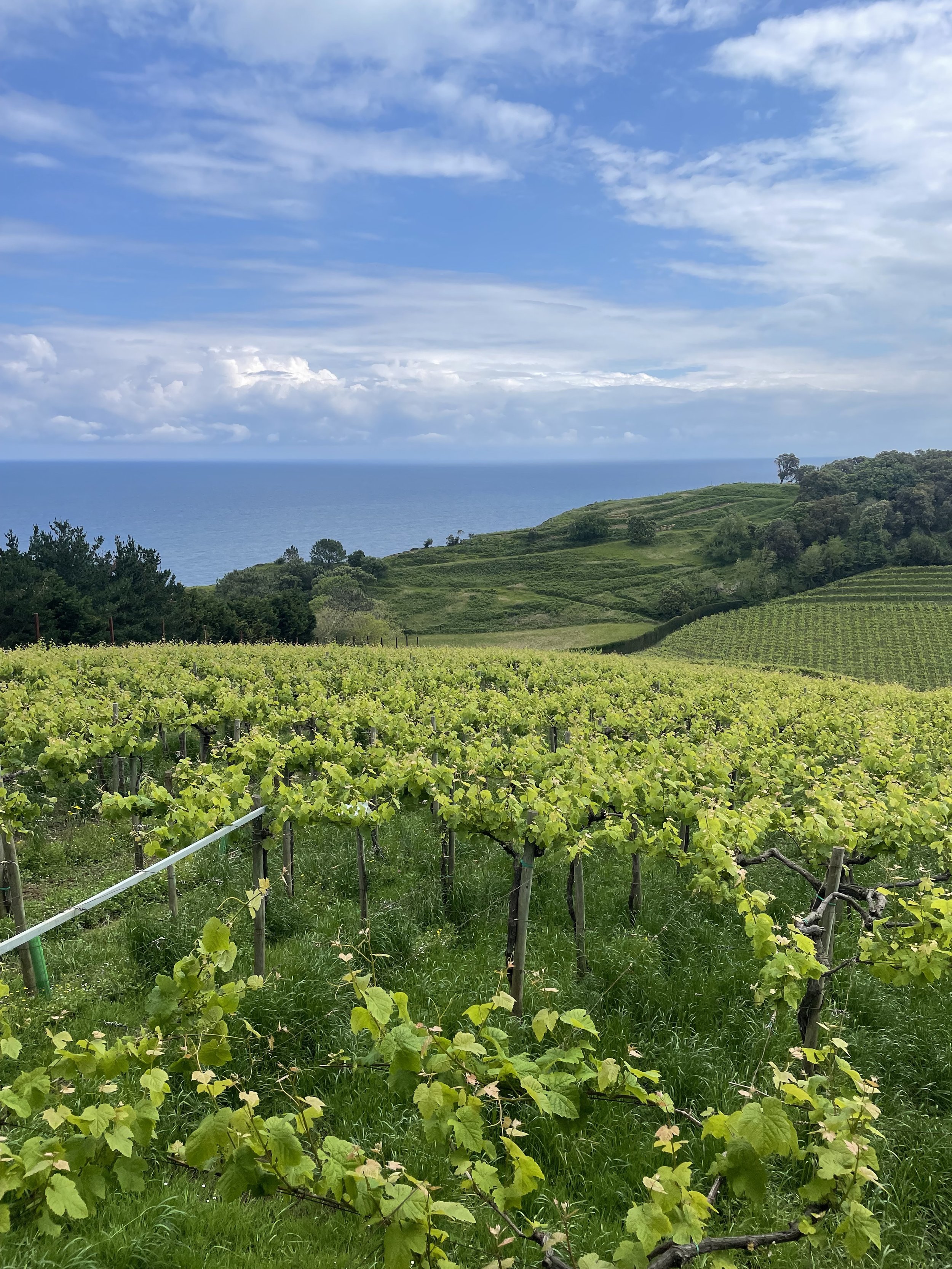
Gañeta Estate vineyard
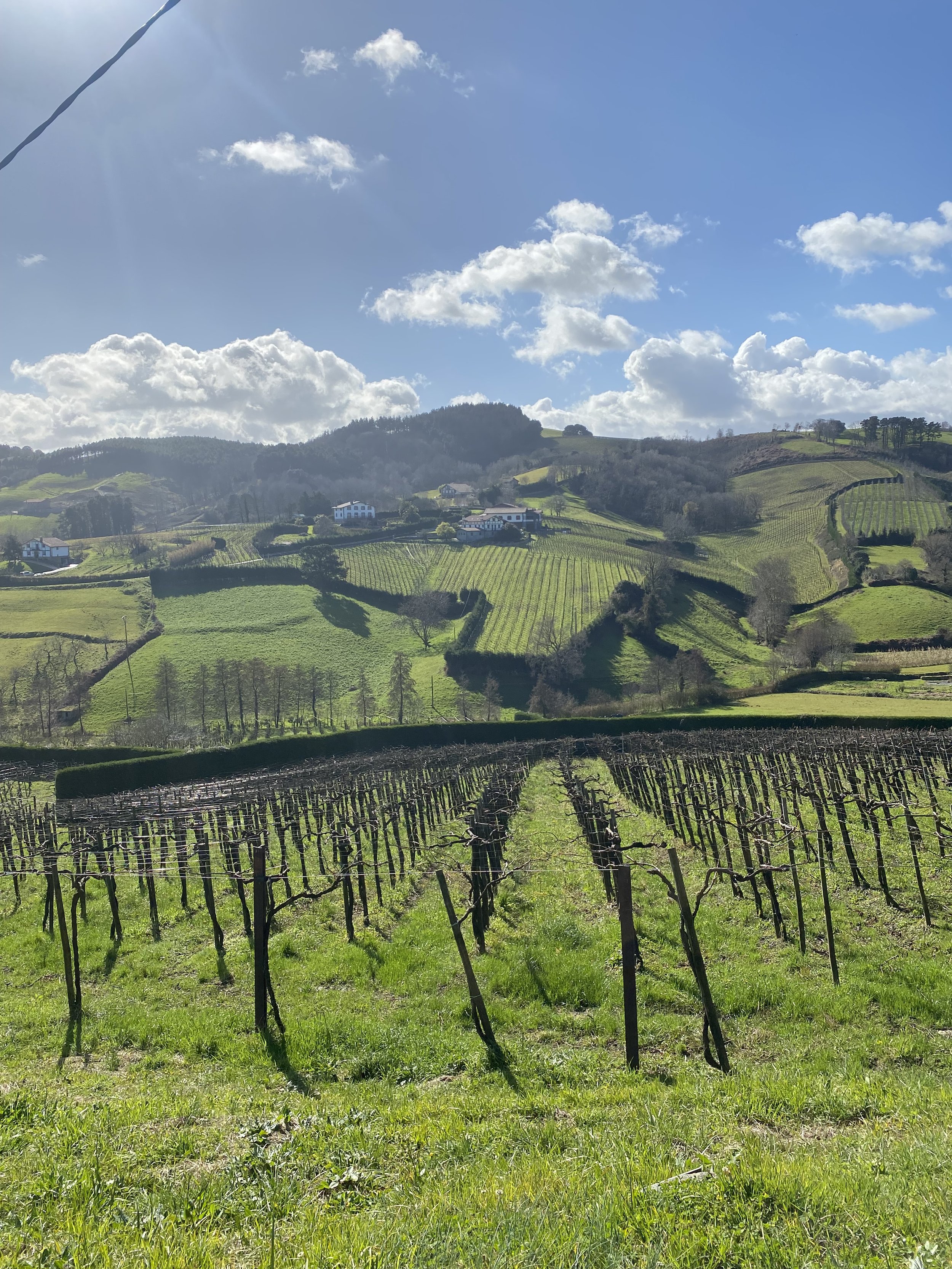
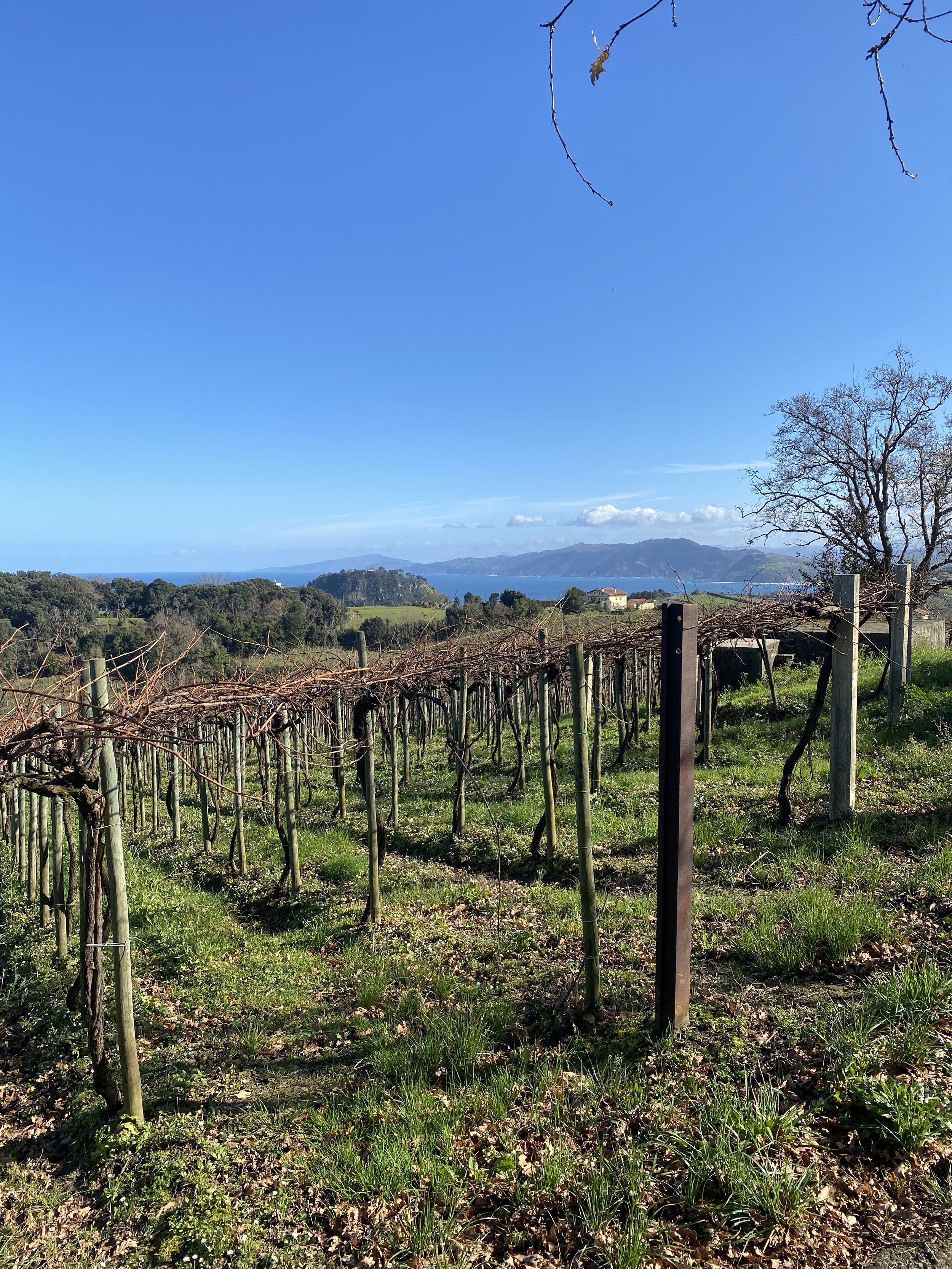
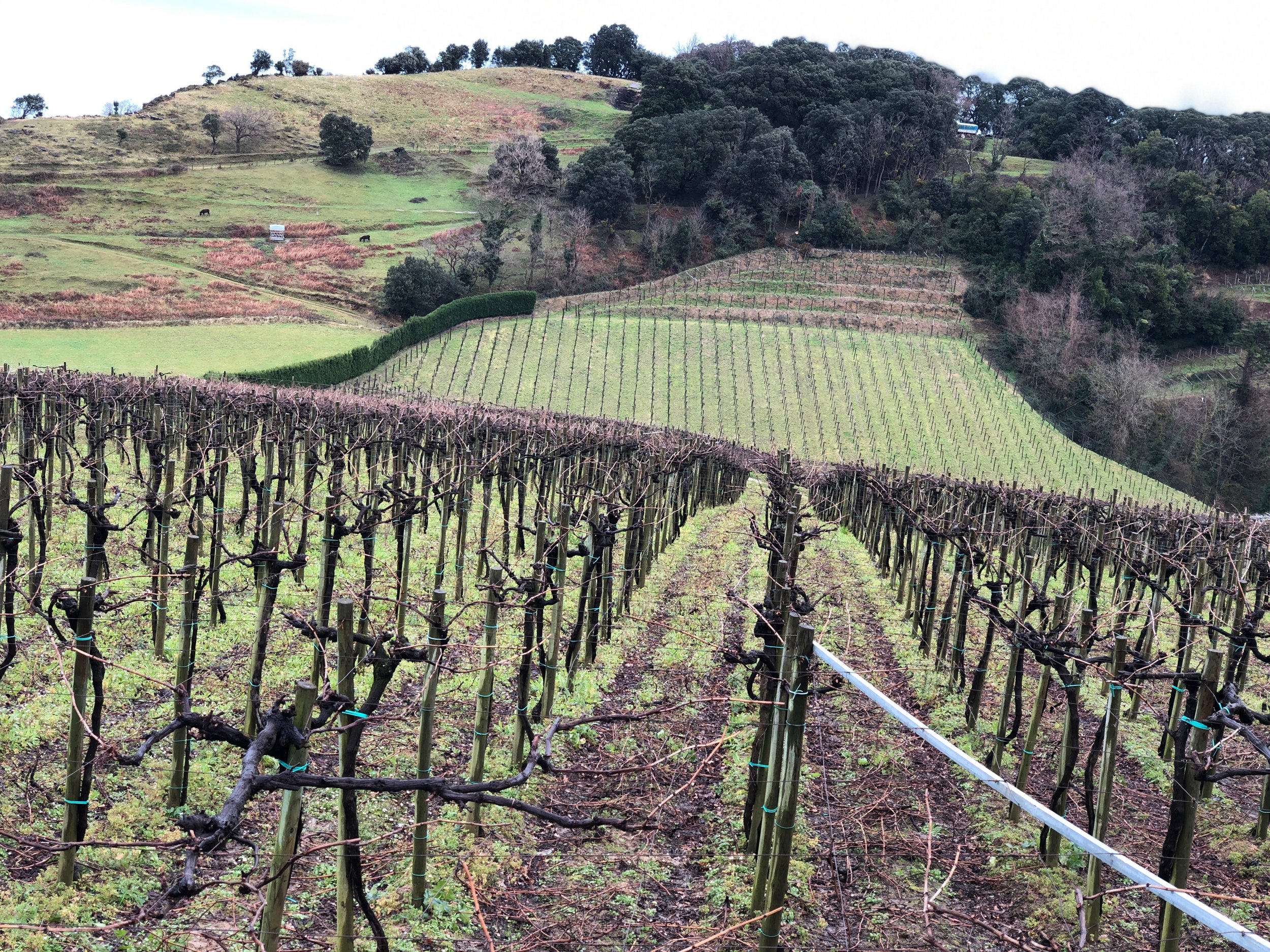
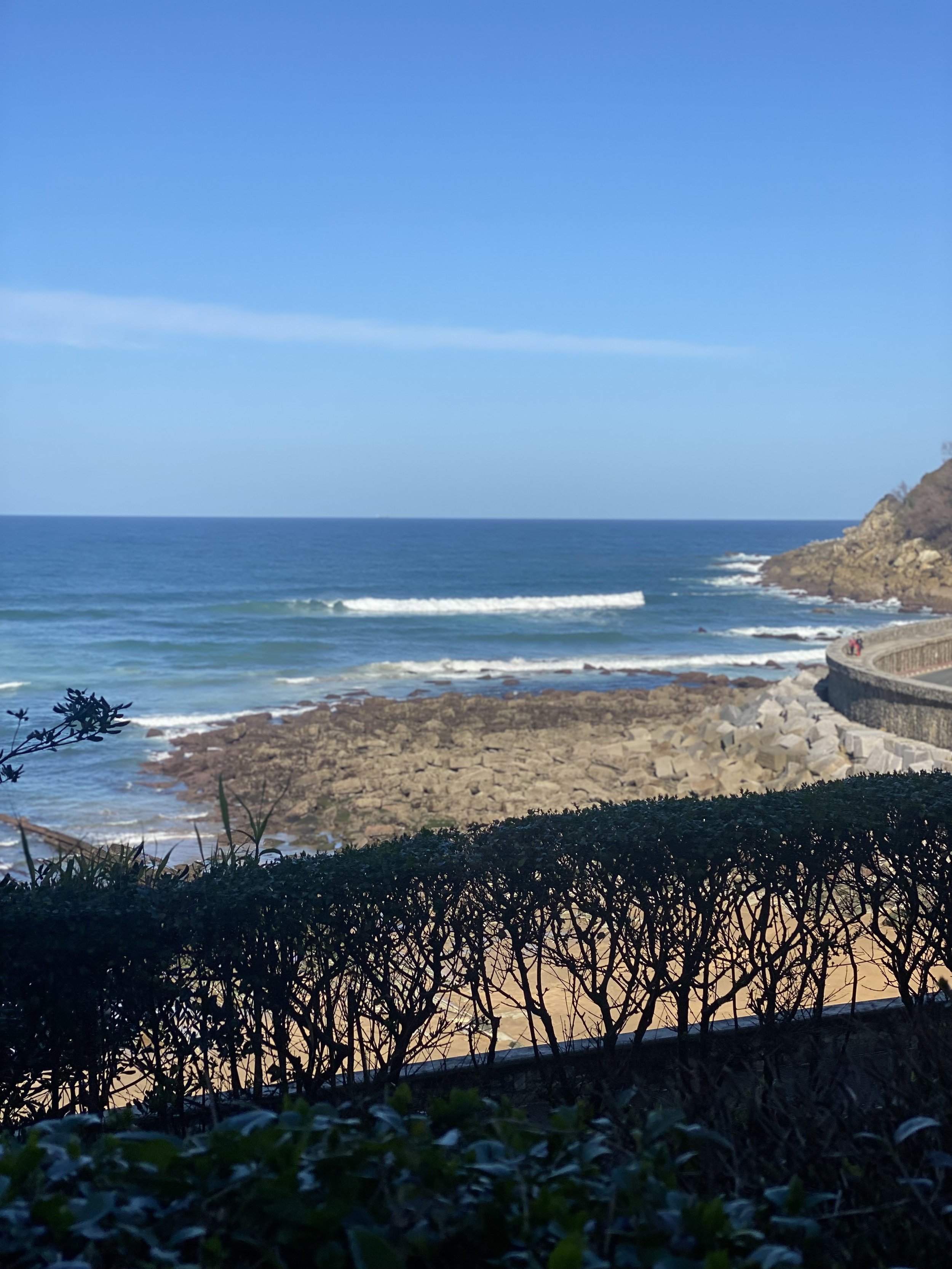
Just twenty minutes west of San Sebastián, where the emerald hills of Gipuzkoa collapse into the restless Atlantic, lies the tiny, windswept hamlet of Aizkizu-Gañeta. The journey there winds past the historic fishing port of Getaria, through a landscape shaped as much by salt spray and rainfall as by human perseverance. This is the heart of DO Getariako Txakolina—Spain’s smallest and most singular appellation, defined by precipitous slopes, ferocious humidity, and some of the most challenging viticulture in Europe.
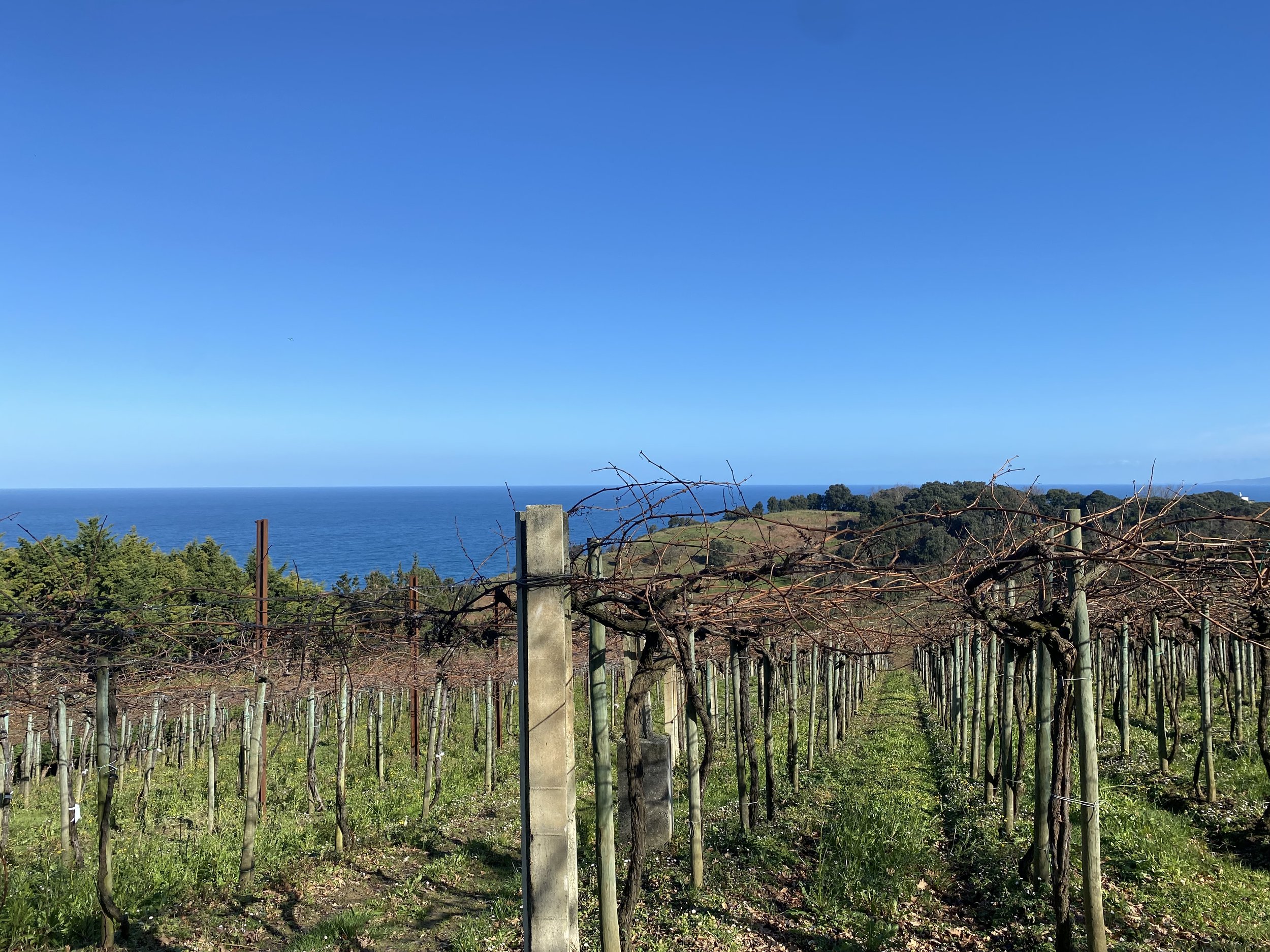
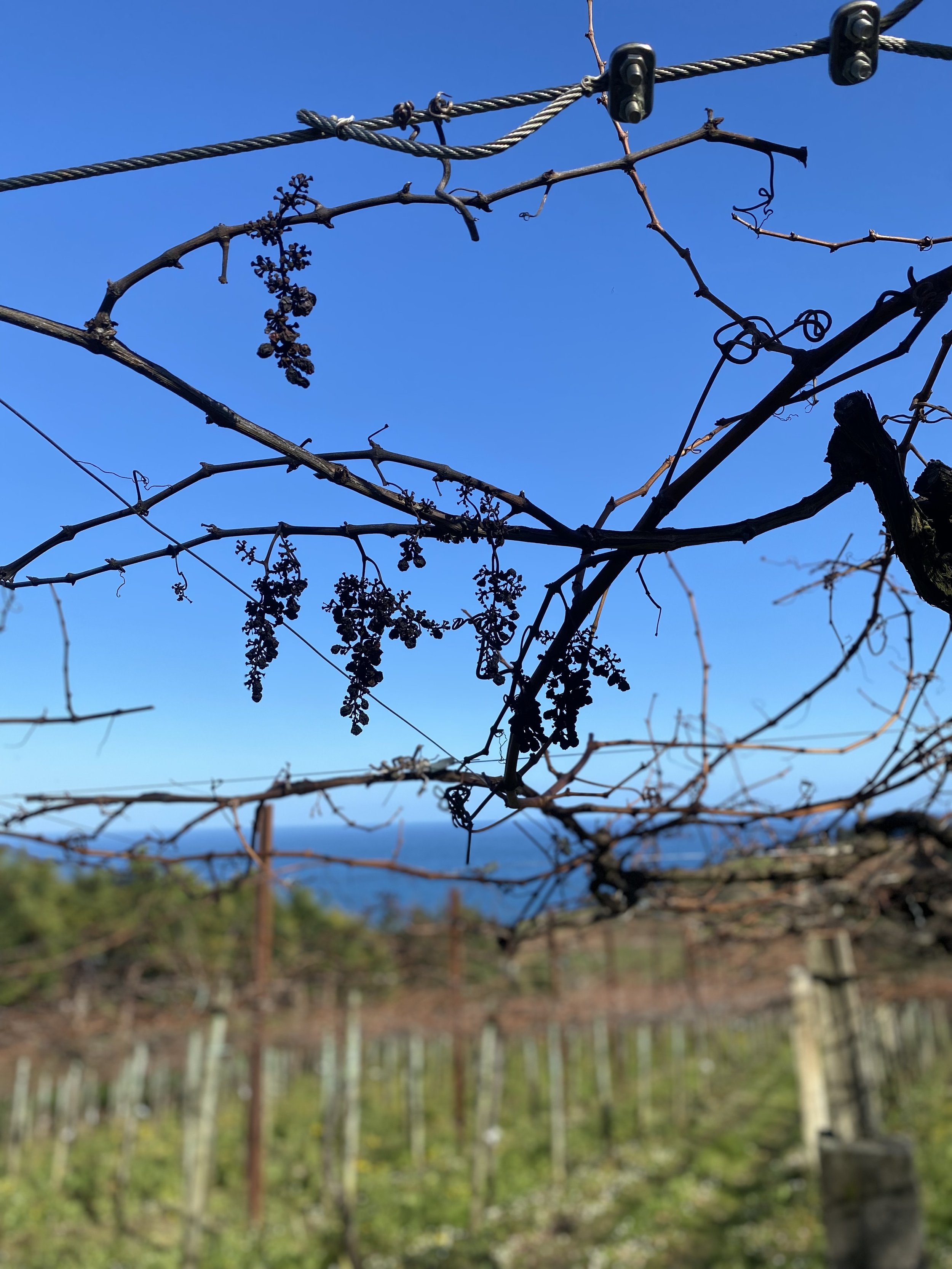
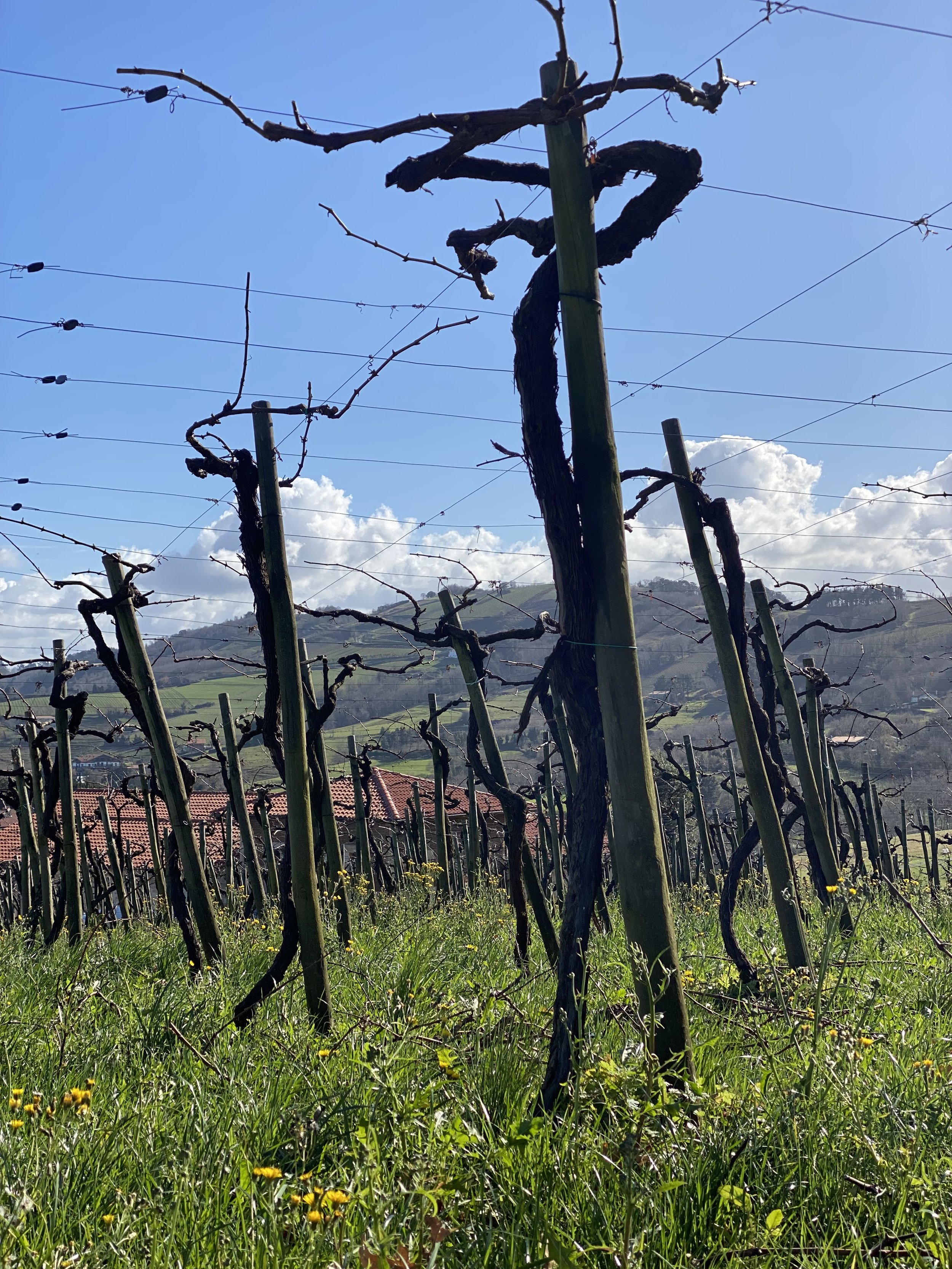
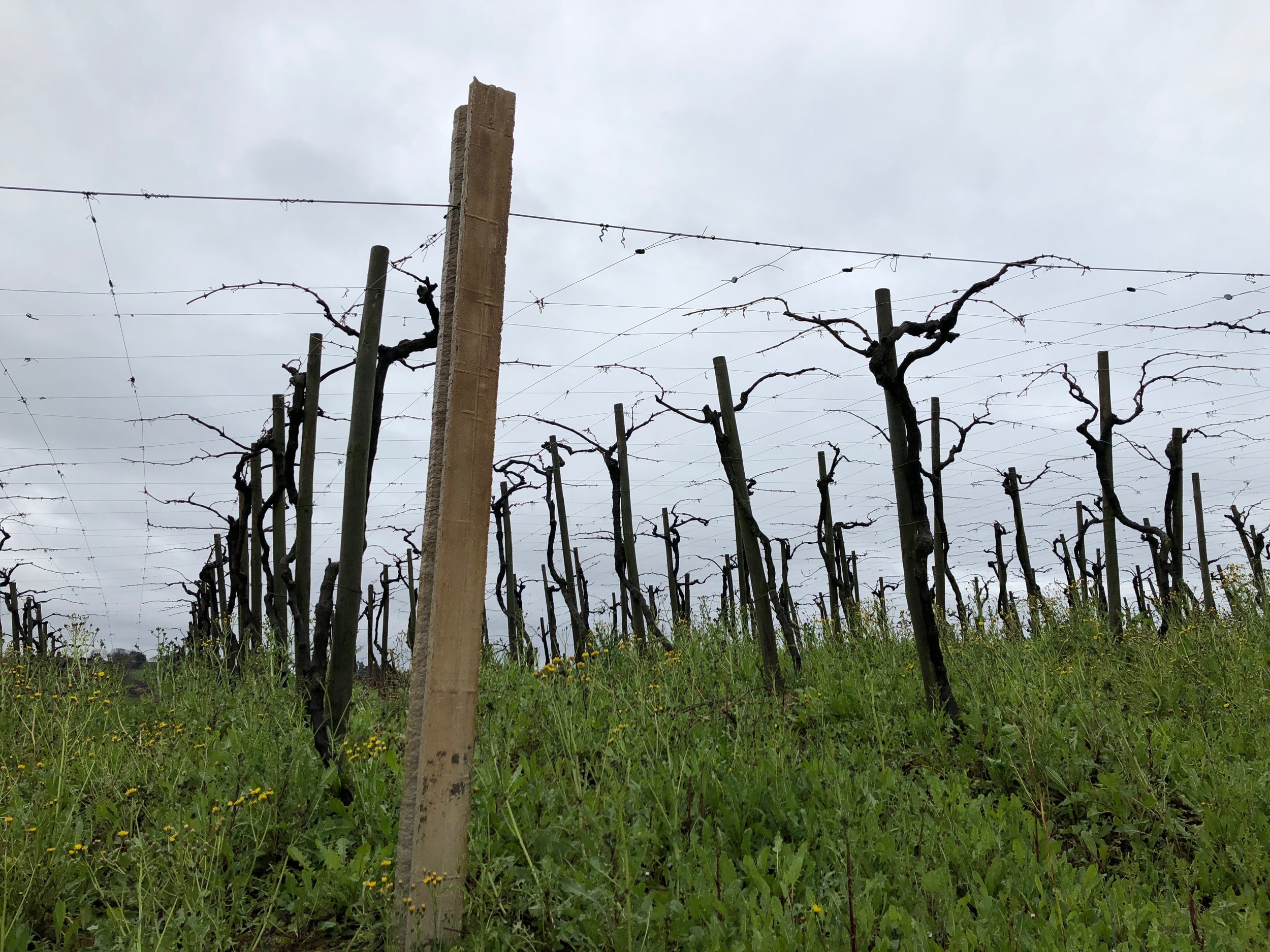
Gañeta has been farmed since the late 1980s by Julián Ostolaza and Itziar, who established 17 hectares of Hondarrabi Zuri and Hondarrabi Beltza trained high on traditional, slanted pergolas (parral). This elevated system is essential here: it maximizes airflow, mitigates mildew pressure, and allows the vines to dry after the near-constant Atlantic rains, while also capturing reflected light from the Bay of Biscay. The soils—largely clay and marl with marine influence—further reinforce the wines’ tension and salinity.
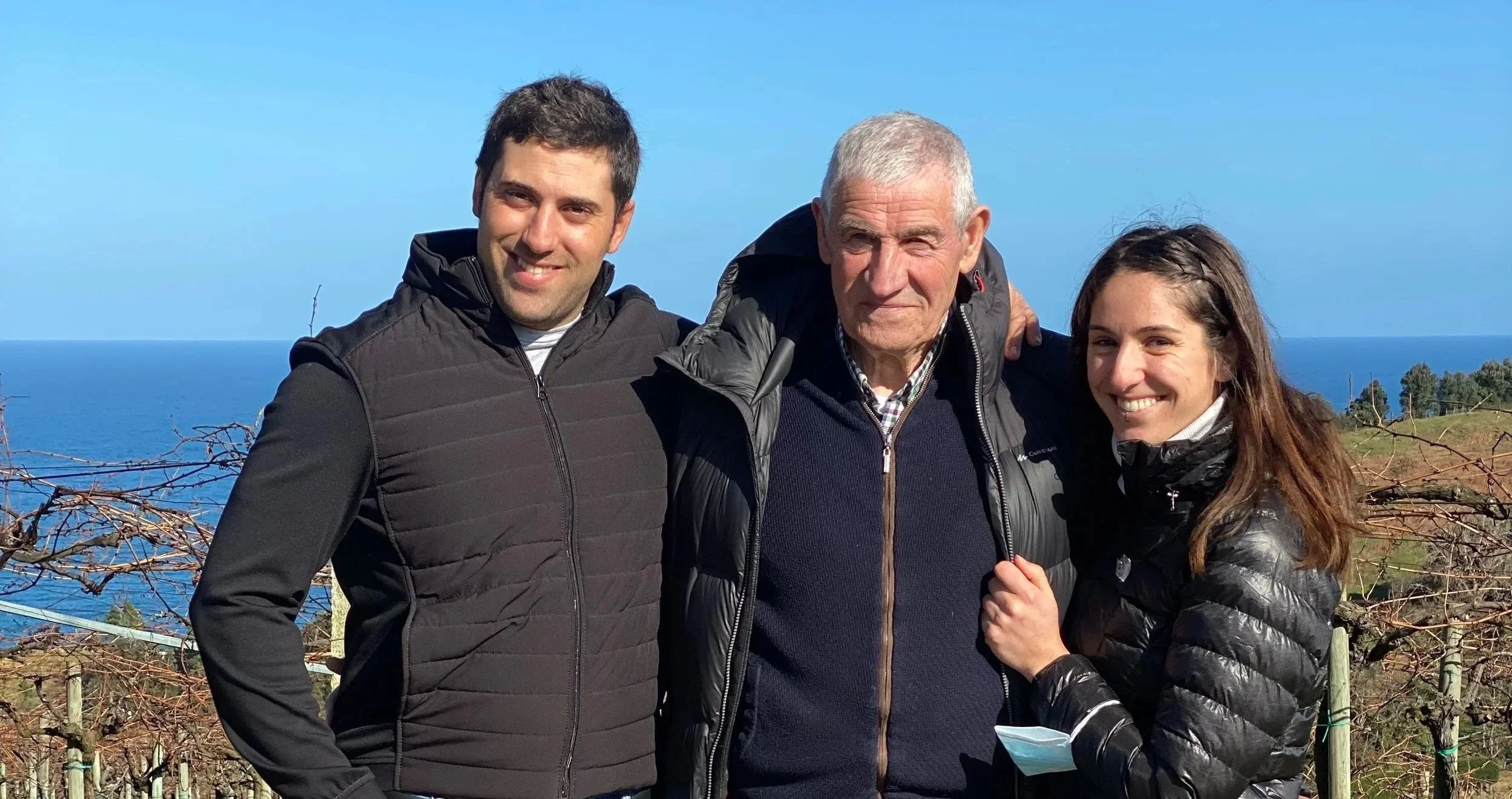
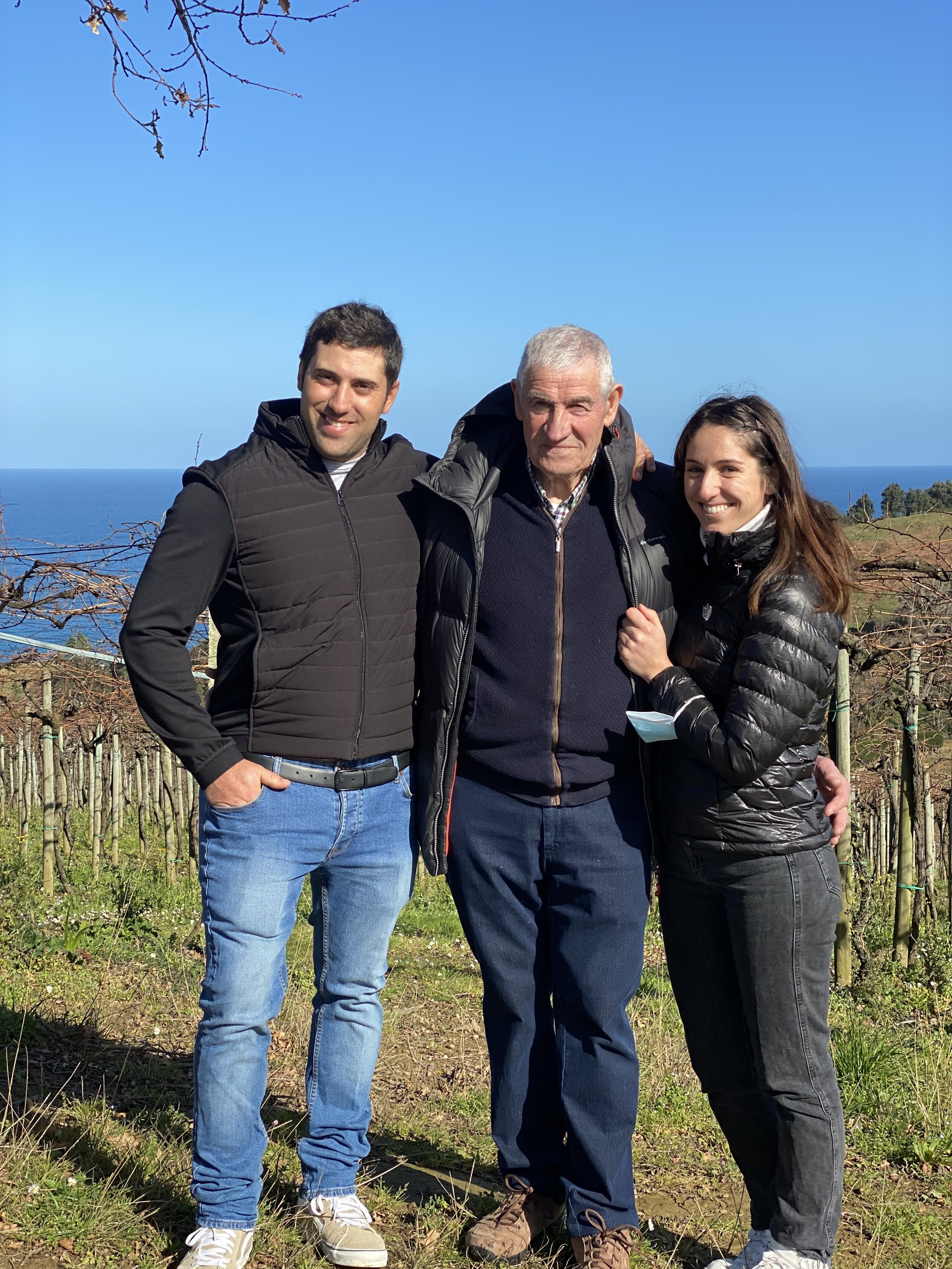
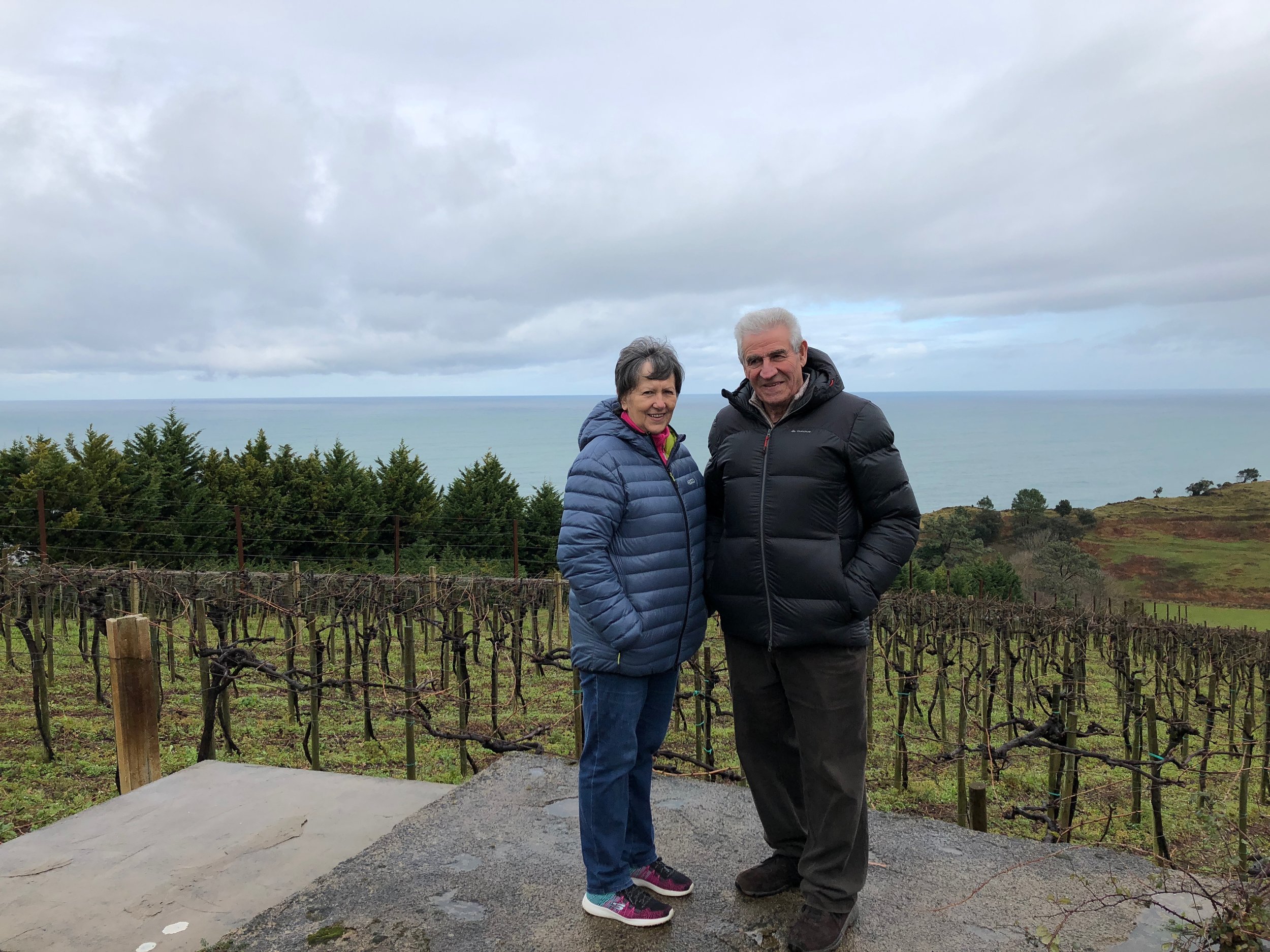
In 2021, Julián and Itziar retired and passed the estate to their niece and nephew, Paula and Enaitz, marking a generational transition that feels both respectful and quietly radical.
Enaitz is Getariako to the core. His résumé lists only two jobs: tuna fisherman and Txakoli grower—both defined by hard work, salt air, and respect for the sea paired with an instinctive understanding of weather, wind, and timing that can’t be taught. His sister Paula brings a different but equally vital skill set, having studied business and marketing in Tolosa. Together, they form the new guard at Gañeta, blending tradition with a fresh, forward-looking vision. Julián and Itziar still live on the estate, though these days Julián’s focus is on his vegetable garden rather than the vines an instinctive understanding of weather, wind, and timing that can’t be taught.
In the cellar, Gañeta remains resolutely minimalist. The wines are fermented in stainless steel (inox) to preserve freshness and primary aromatics, with no additions beyond a modest use of SO₂. There is no oak, no manipulation—just careful timing and restraint. The resulting Txakolinas are textbook Getariako: sharply focused, slightly pétillant, intensely dry, and unmistakably Atlantic. Expect brine, citrus pith, green apple, fresh herbs, and a chalky, mouthwatering finish that begs for seafood.
In the vineyard, however, the approach is evolving. Paula and Enaitz work with innovative agricultural advisors to incorporate organic fertilizers and soil-health practices, a crucial step in a region where humidity is the central viticultural challenge. The goal is not intervention for its own sake, but resilience—supporting vine health while allowing the terroir to express itself with greater clarity.
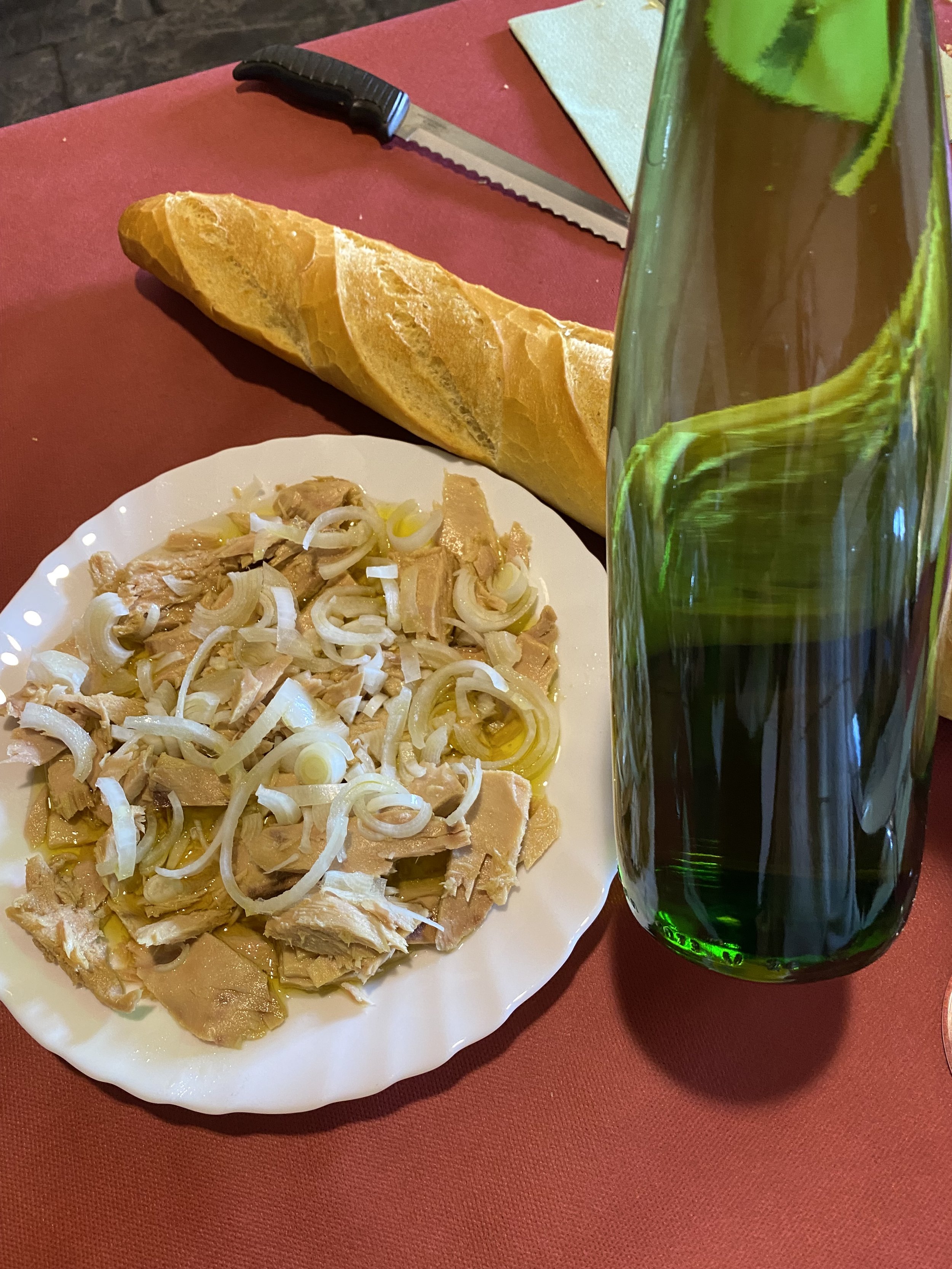
These are wines of place and purpose—low-alcohol, high-acid, gastronomic, and unapologetically coastal. They excel as aperitif wines, of course, but truly shine at the table alongside shellfish, anchovies, grilled turbot, jamón, and anything drawn from the sea. Or by the sea. Above all, they tell a story of Getaria that is vivid, honest, and alive—just like the wines, and the people themselves.
Gallery
Technical Data
Established: 1992
Farming: dry farmed, sustainable
Download Tech Sheet (click on images below)
Wines
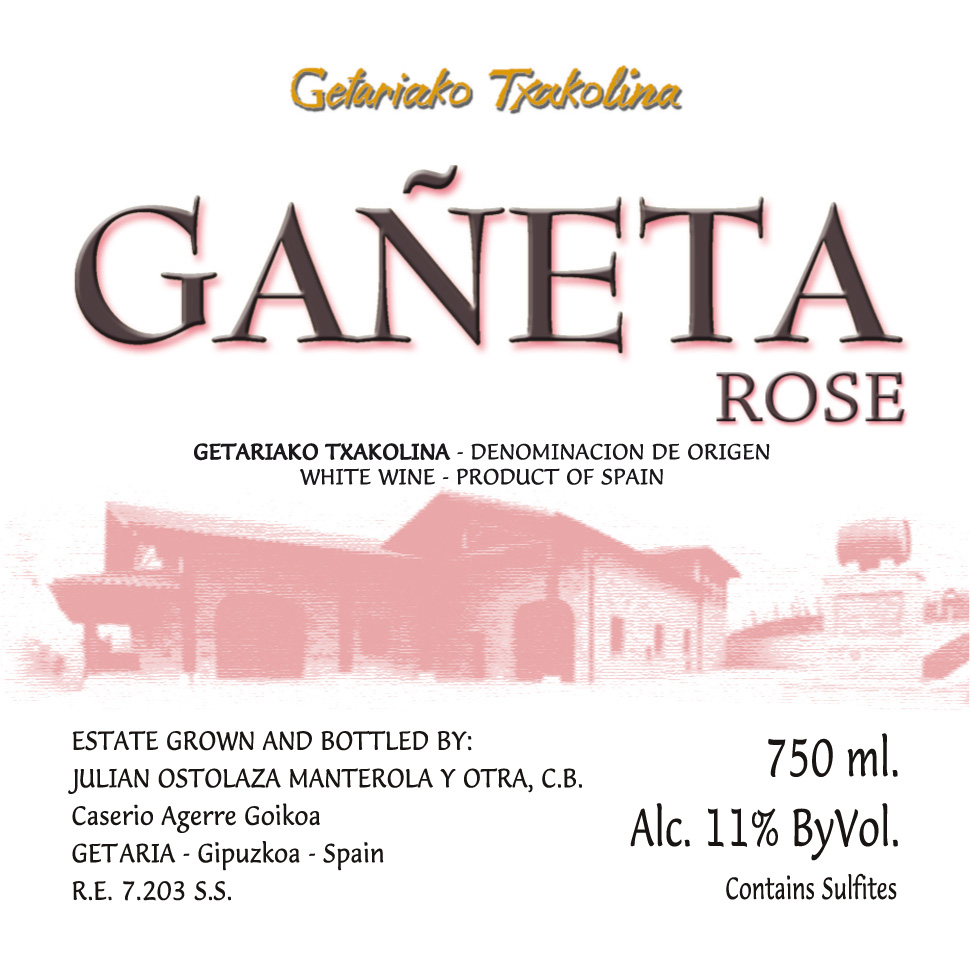
Quisque iaculis facilisis lacinia. Mauris euismod pellentesque tellus sit amet mollis.