
The Açores are an extraordinary archipelago of nine basalt-rich volcanic islands rising from the heart of the Atlantic Ocean—nearly 900 miles off mainland Portugal and so remote they're barely visible on a map. Mother Nature spared neither beauty, drama, nor hardship when she painted this island paradise onto her vast Atlantic canvas.
It's easy to imagine the remarkable chain of events that led to the Portuguese colonization of these wild, primal islands in the 15th century. Likely stumbled upon during the Age of Discovery, the Açores soon became an important outpost for fishing, maritime trade, and, most notably, whaling. As that industry declined, many of its stone structures and traditions found new purpose in viticulture, laying the groundwork for one of the world's most fascinating wine cultures.
When phylloxera devastated the islands in the 19th century, many Azoreans emigrated to the northeastern United States, particularly Massachusetts, abandoning countless vineyards. American Isabella spread rapidly, nearly overwhelming the indigenous varieties that today have reclaimed their rightful place: old-vine Verdelho, elusive Terrantez do Pico, and the undisputed queen, Arinto dos Açores.
Home to Portugal's highest peak, Pico Mountain, the island seems to defy every law of viticulture—and perhaps logic itself. Relentless Atlantic winds, jagged black lava fields, ancient craters filled with surreal turquoise water, and vineyards carved directly into volcanic rock create one of the most breathtaking landscapes I've ever encountered. Recognized as a UNESCO World Heritage Site, Pico is, without question, the most dramatic vineyard landscape I have ever laid eyes on.
How did this improbable place become a verdant vineyard?
The answer lies in the resilience, ingenuity, and humility of the Azorean people, and in the remarkable gifts of this black volcanic landscape—lush calderas, fertile lava soils, and geothermal springs that constantly remind you the earth beneath your feet is very much alive.
Having just returned from Tenerife—Spain's highest point and another volcanic island off the coast of Morocco—the contrast couldn't be greater. Tenerife is bold and dramatic. Pico is quieter. Humble. A masterpiece that whispers instead of shouts.
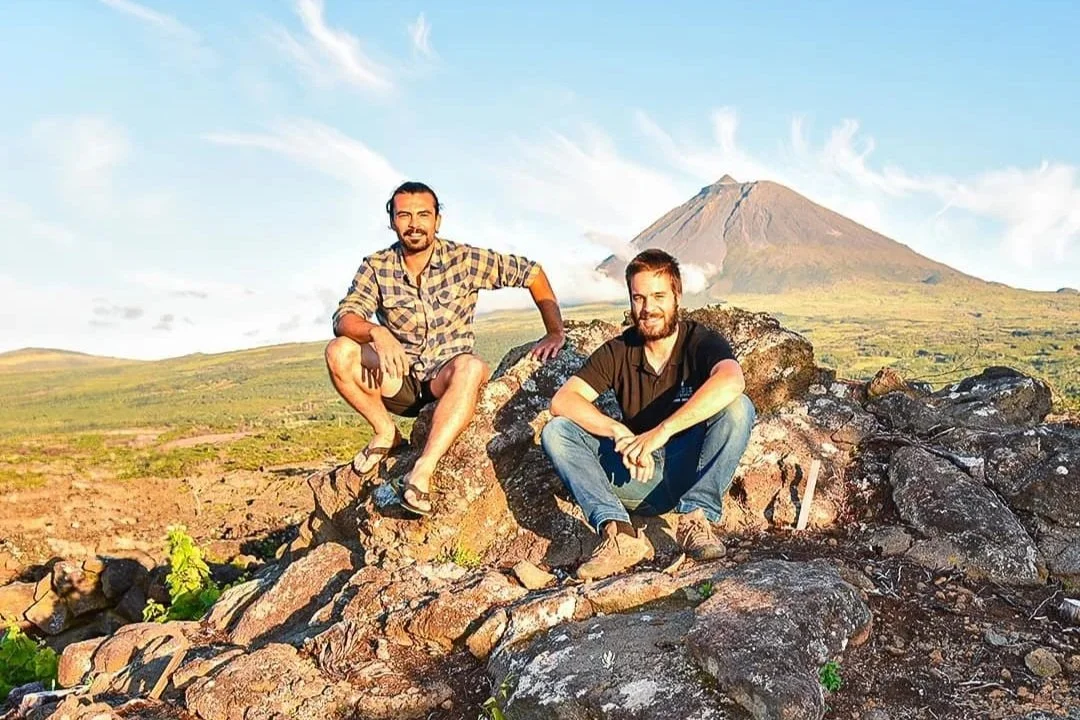
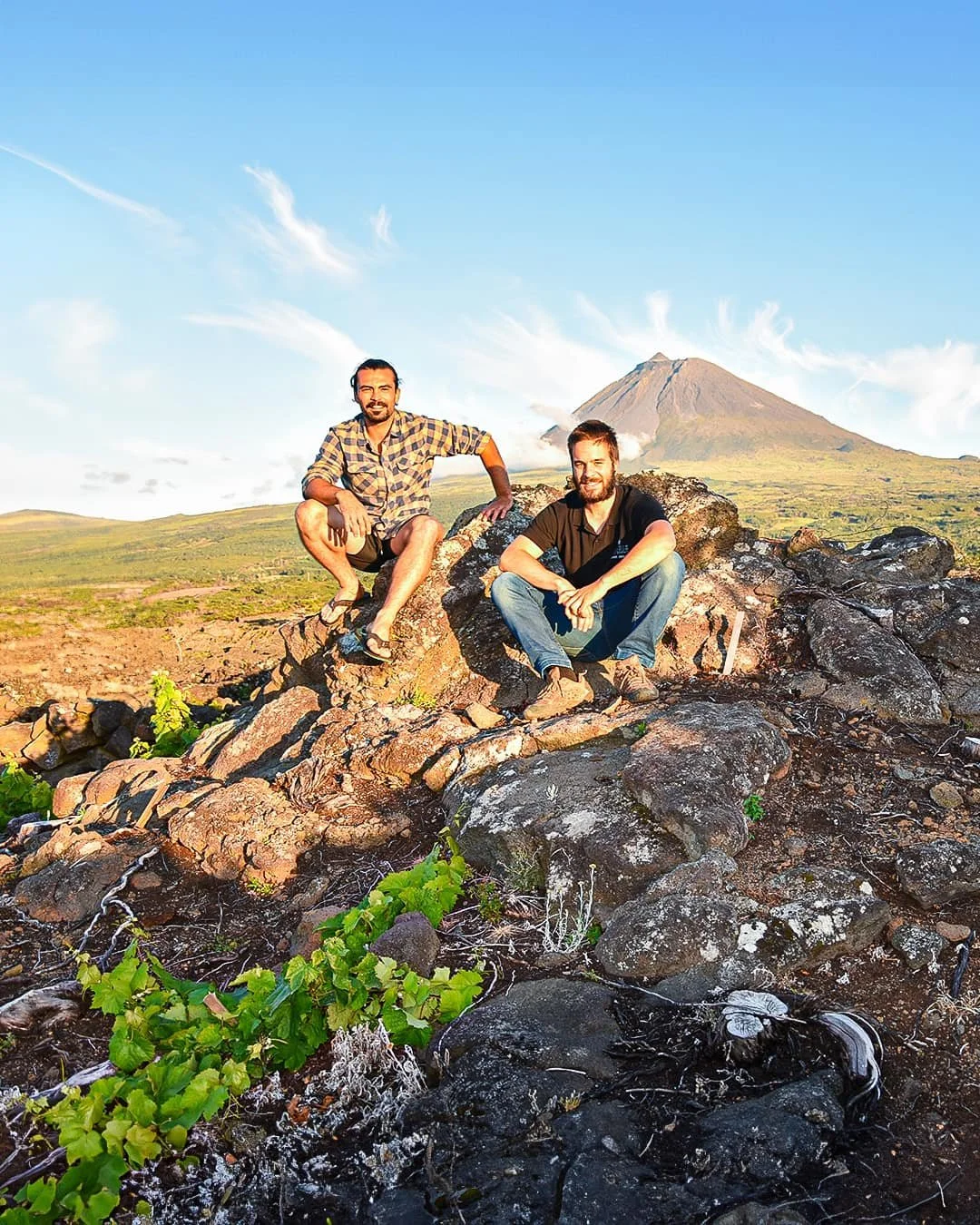
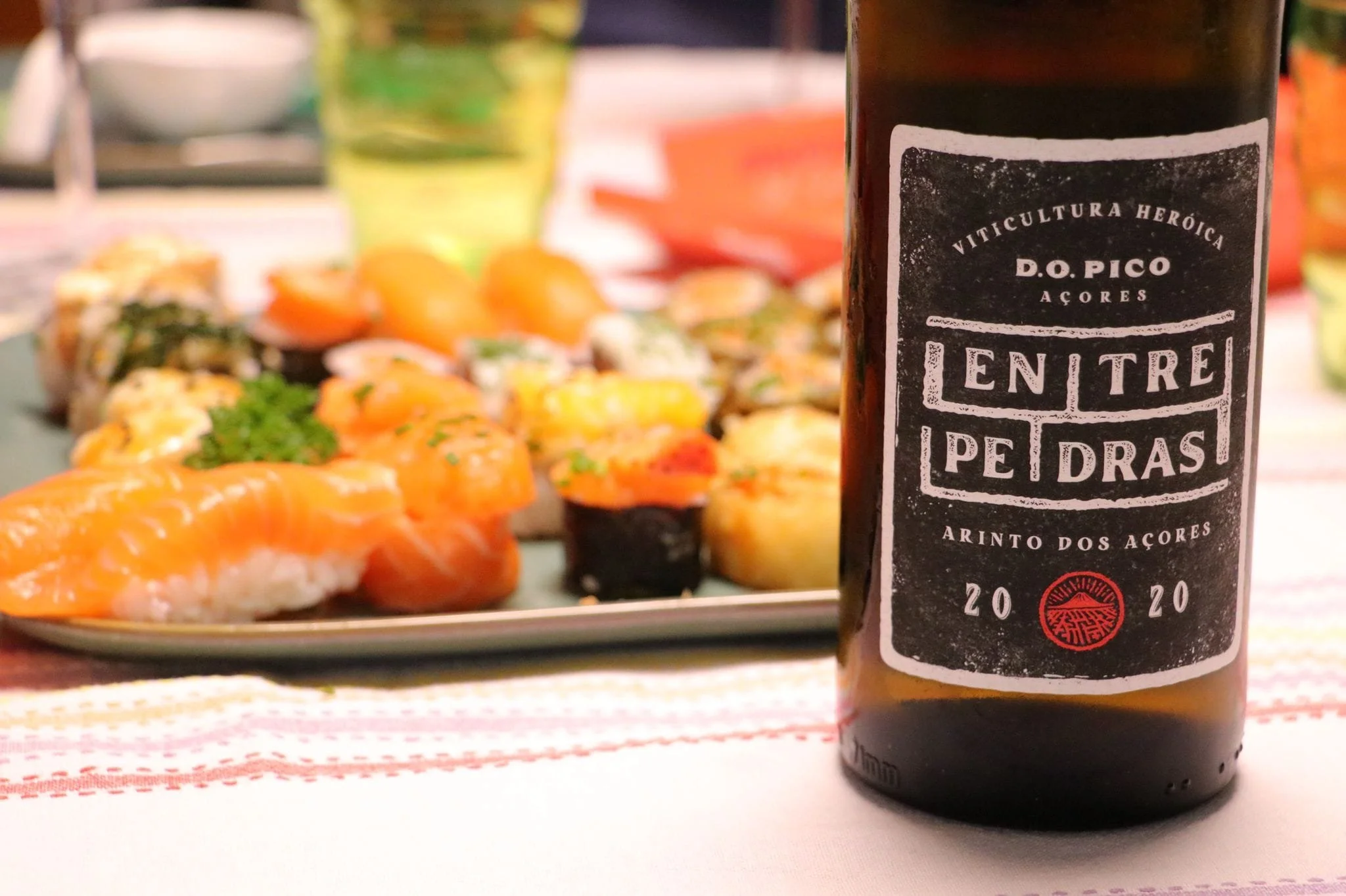
With fewer than ten commercial wineries, Pico remains wonderfully under the radar, making us especially excited to spotlight Entre Pedras, founded in 2017 by Ricardo Pinto and André Ribeiro.
Still only in their early thirties and friends since university in Lisbon, these quiet rascals are redefining what low-intervention Azorean wine can be. Thoughtful, fearless, and deeply connected to their island, they're quickly becoming one of Pico's most exciting voices.
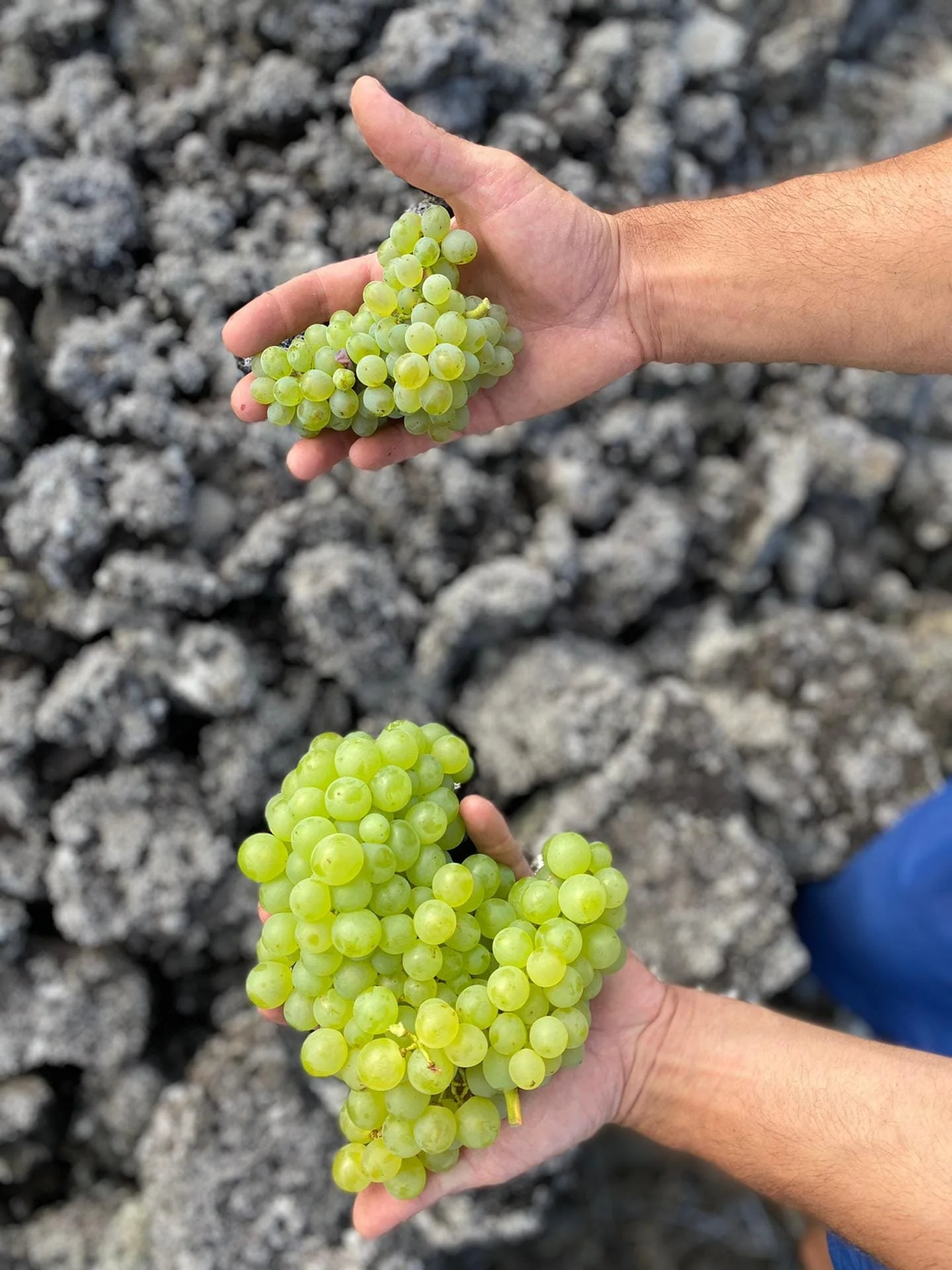
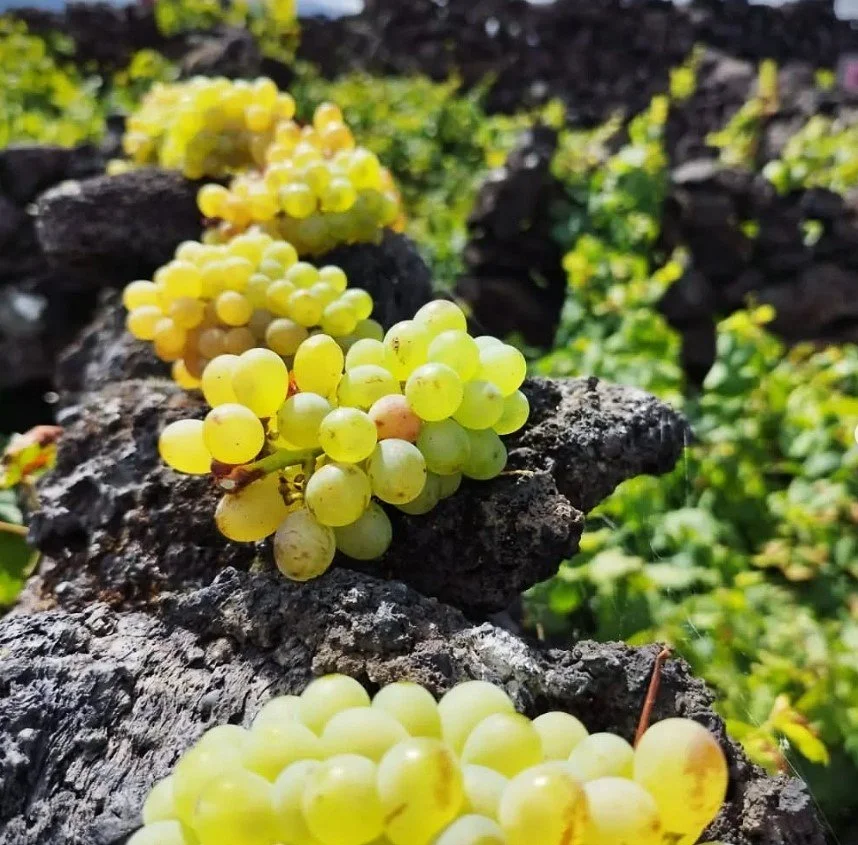
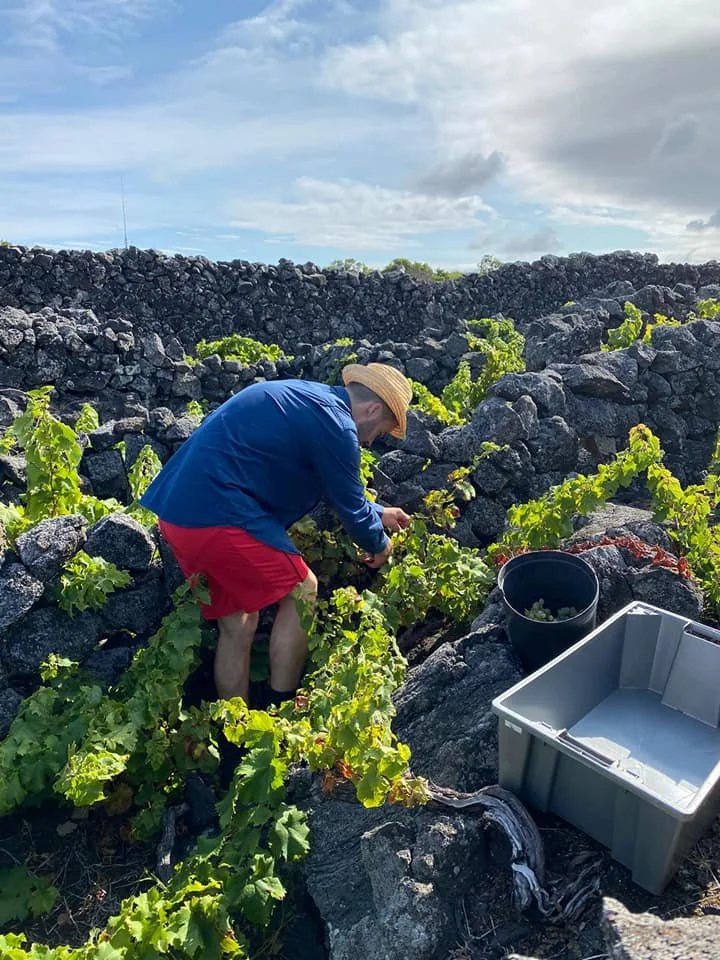
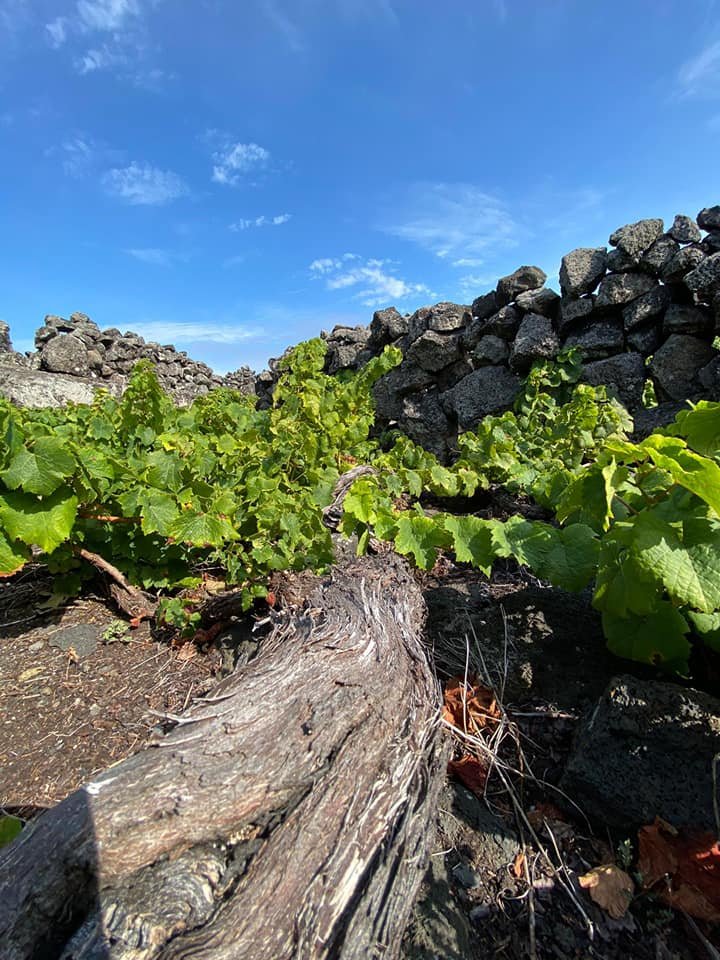
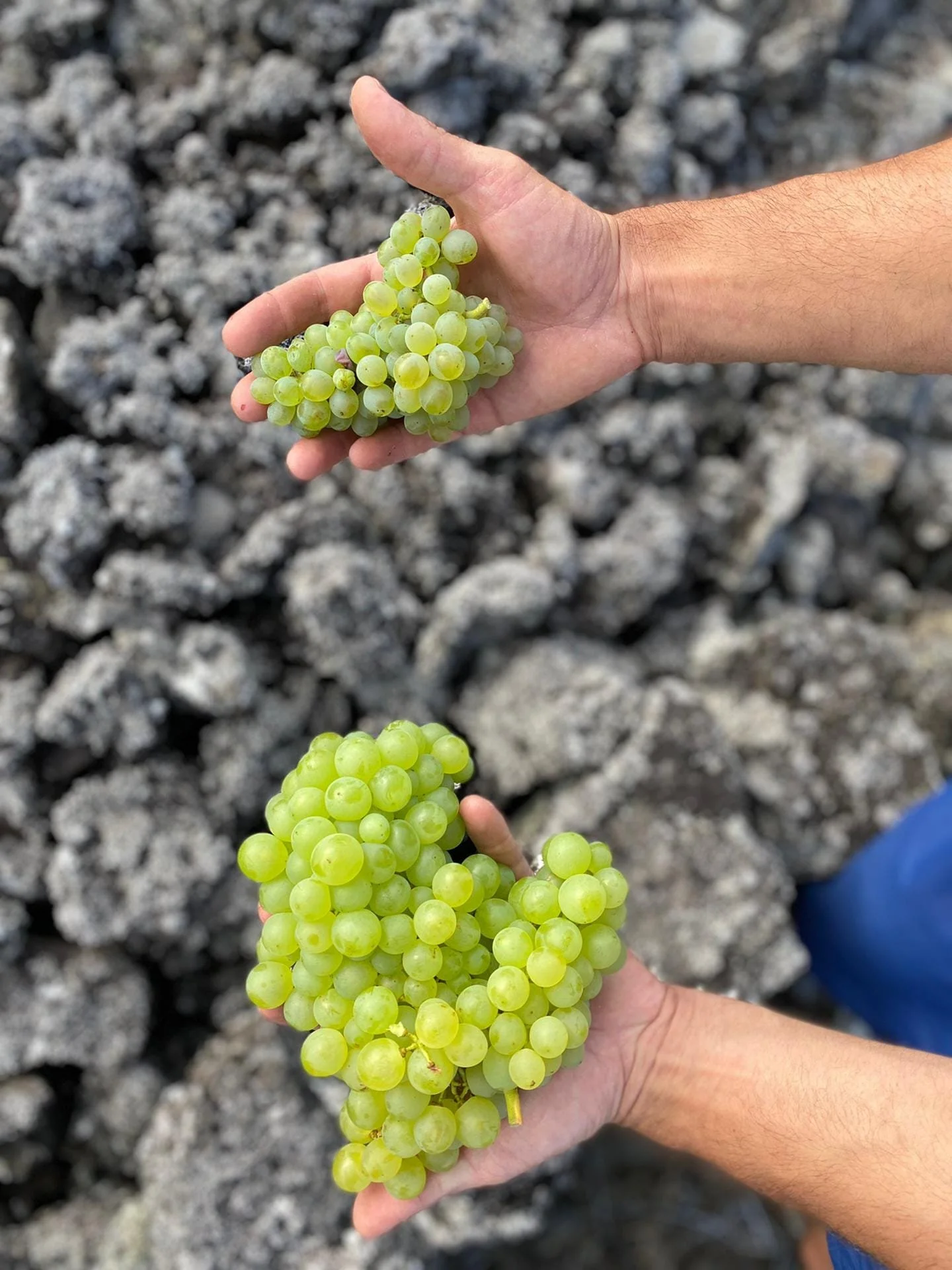
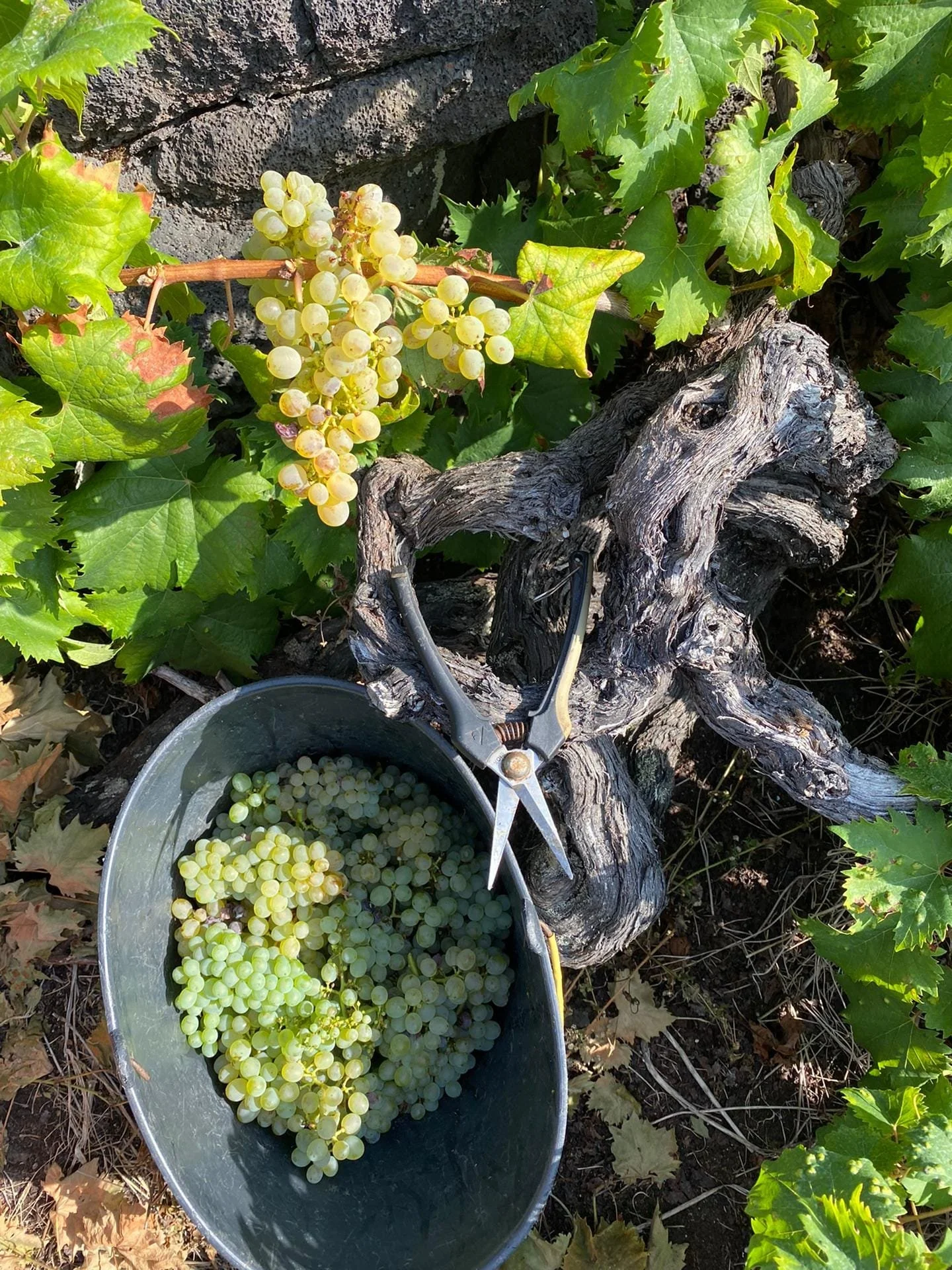
"Entre Pedras" translates to "between the stones," which is exactly where these indigenous vines live. Brilliant green shoots emerge through stacked volcanic rock, reaching for the sun while sheltering from fierce Atlantic winds behind an intricate maze of black basalt walls known as currais. If stretched end to end, these remarkable walls would circle the Earth five times.
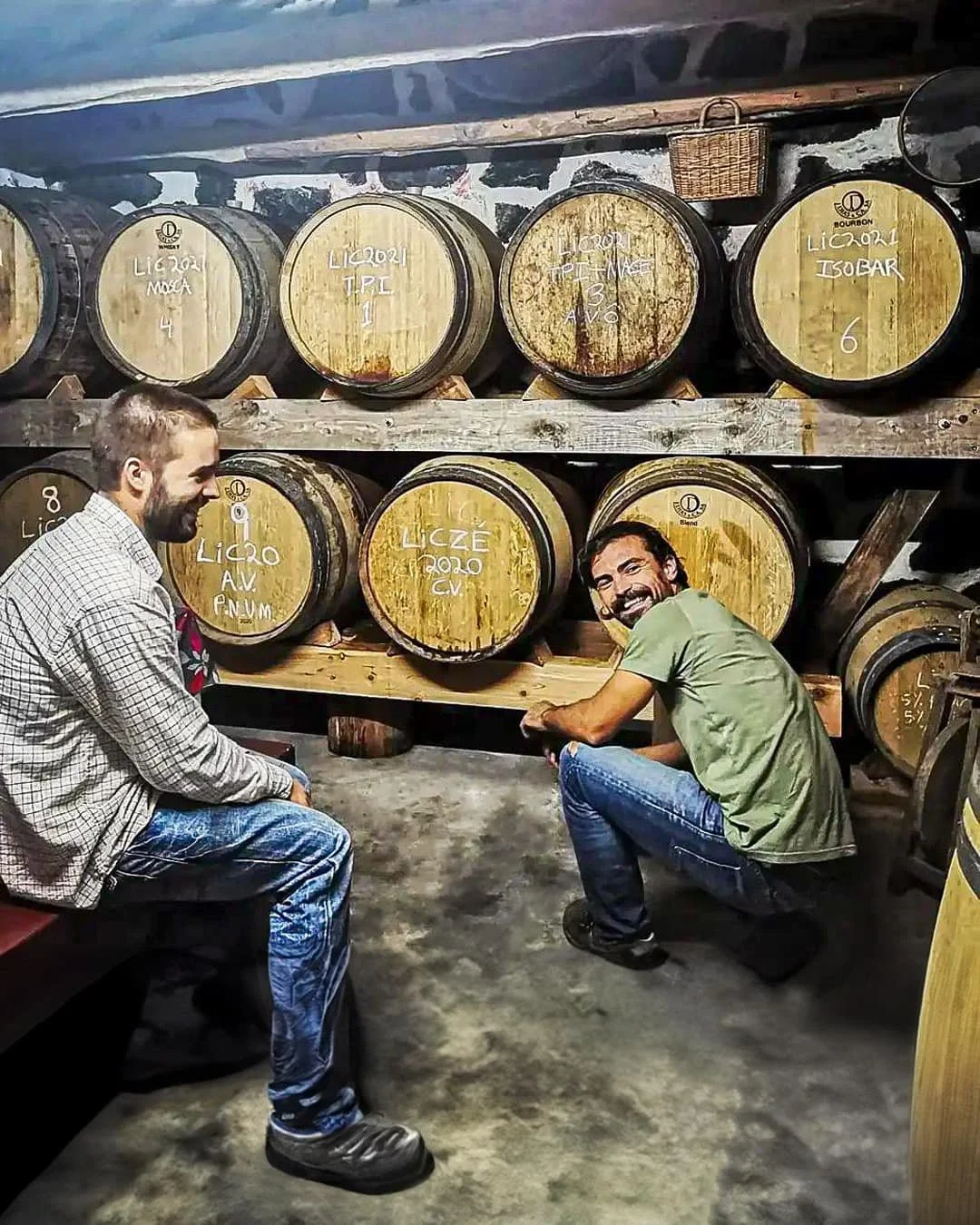
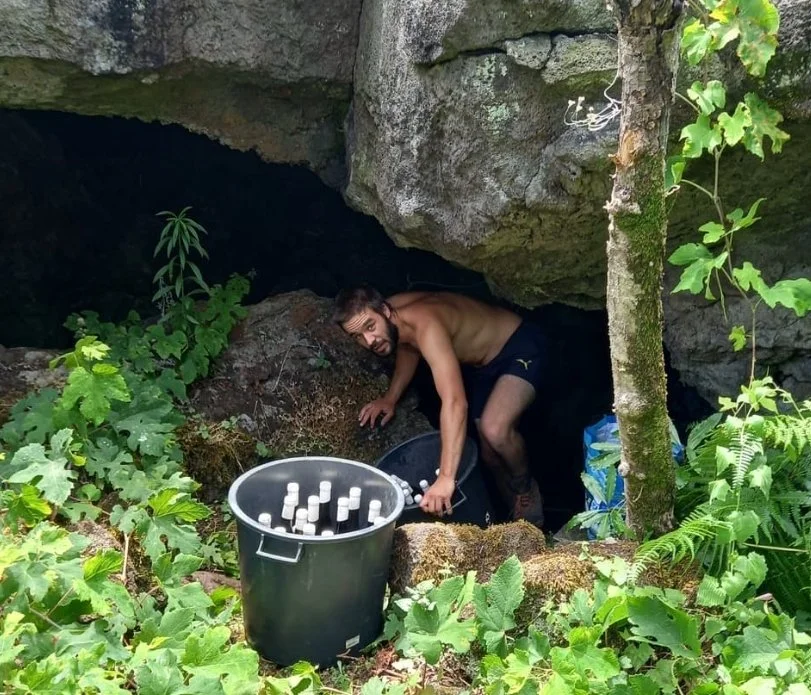
Their modest roadside garage winery overlooks dramatic ocean cliffs, but the real magic develops where their most distinctive wines are aged in an ancient under vineyard cave lovingly restored in 2017 after his grandfather's passing. Today, Ricardo and André are building their holdings with four hectares of old-vine Arinto dos Açores, while simultaneously strengthening their partnerships with more than fifteen local, small plot, old-vines growers to craft their colorful collection of volcanic wines bursting with energy, nerve, personality, and that unmistakable island charm that leave you glowing - like them. Twinkle twinkle, baby.
Gallery

Technical Data
Established: 2015
Farming:
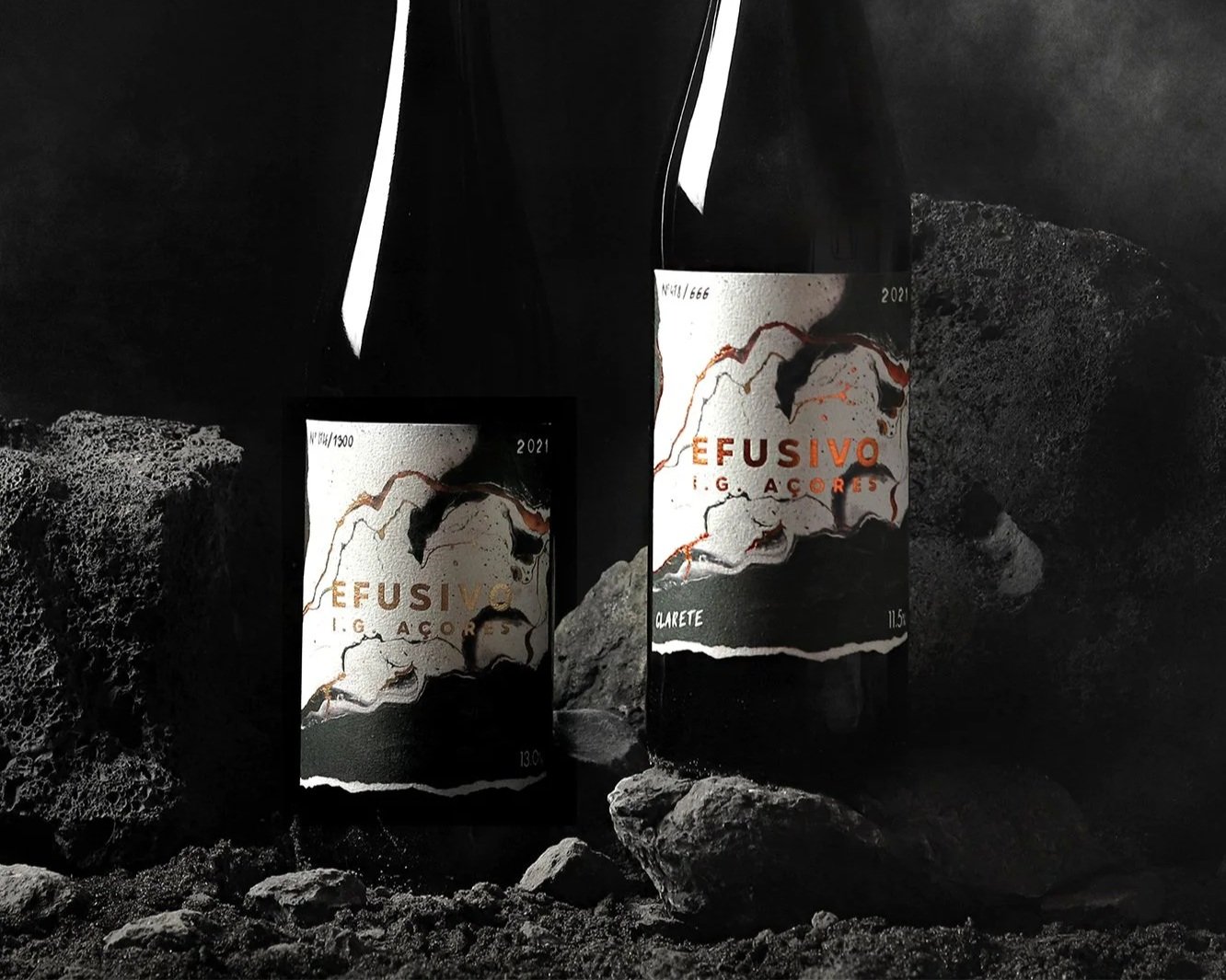
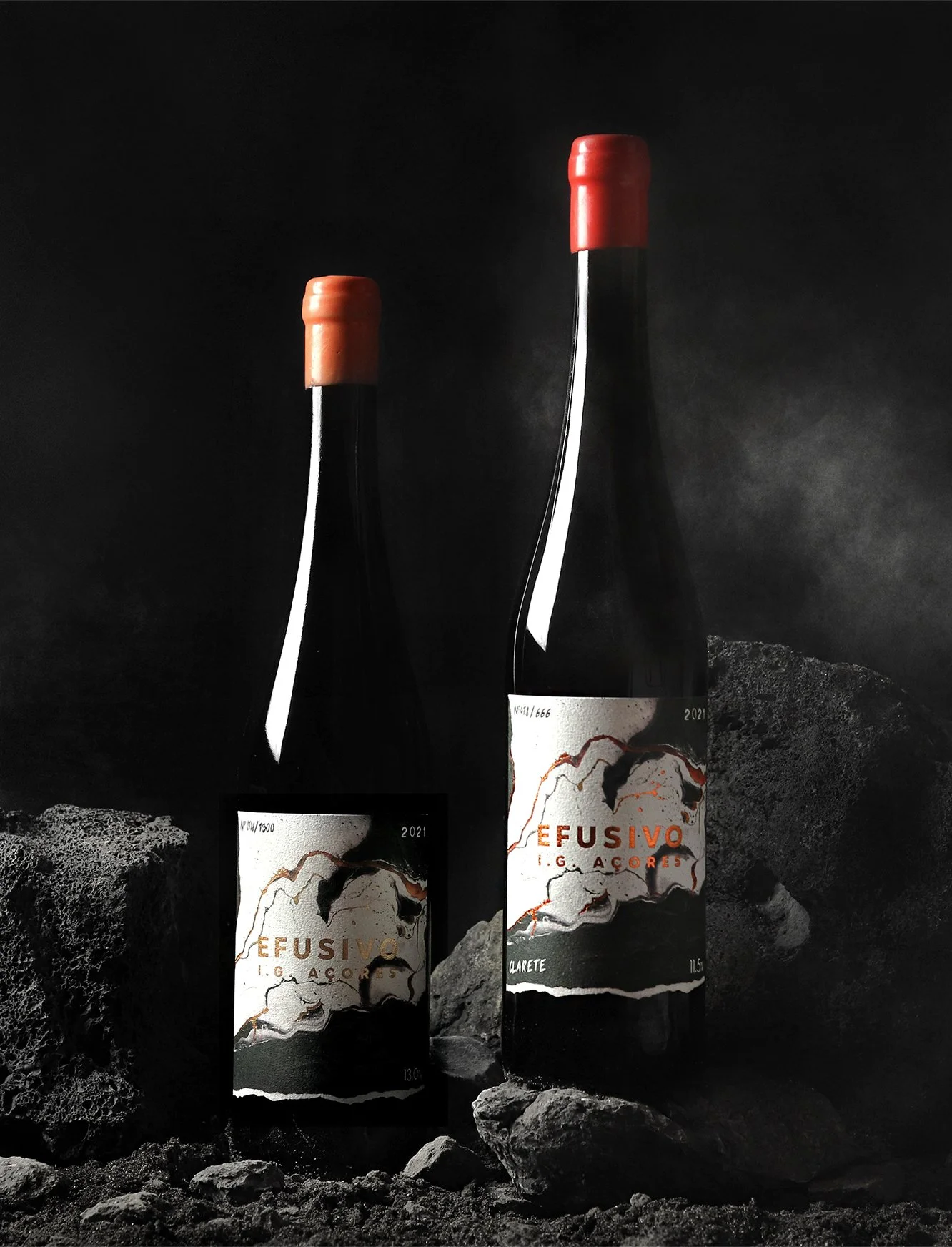
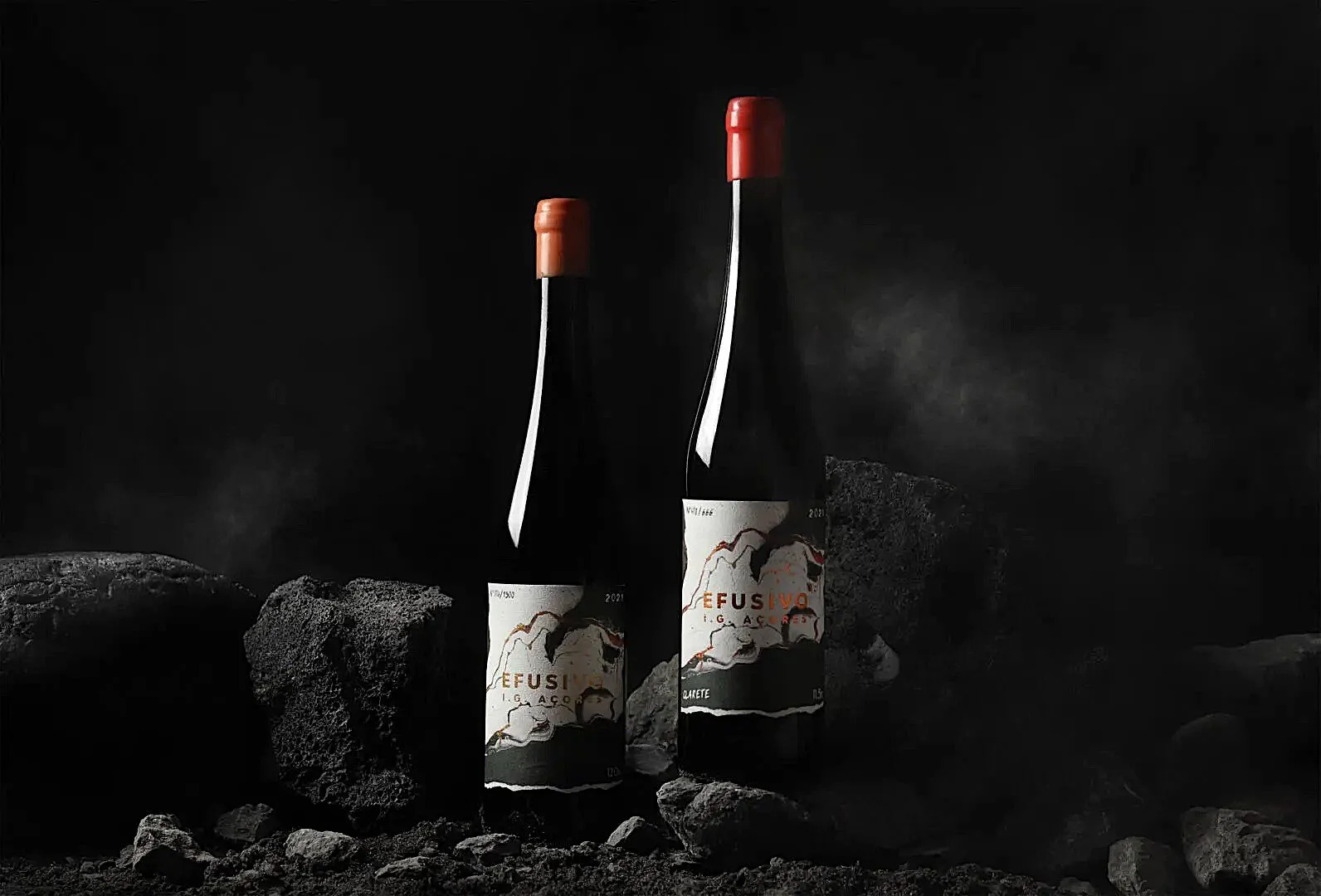
Entre Pedras ‘Efusivo’ Blanco 2023
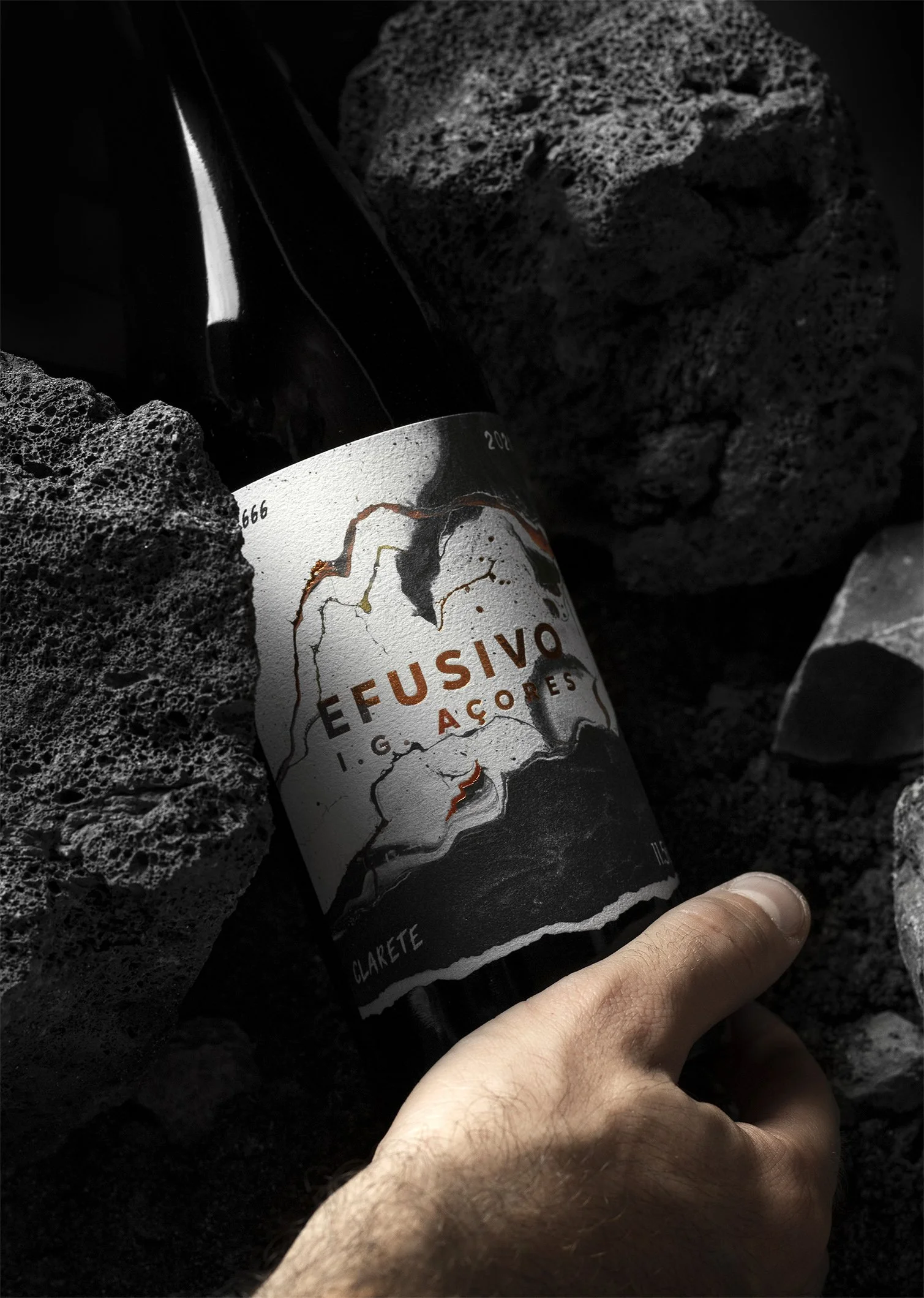
Entre Pedras ‘Efusivo’ Clarete 2023
Entre Pedras Arinto 2023
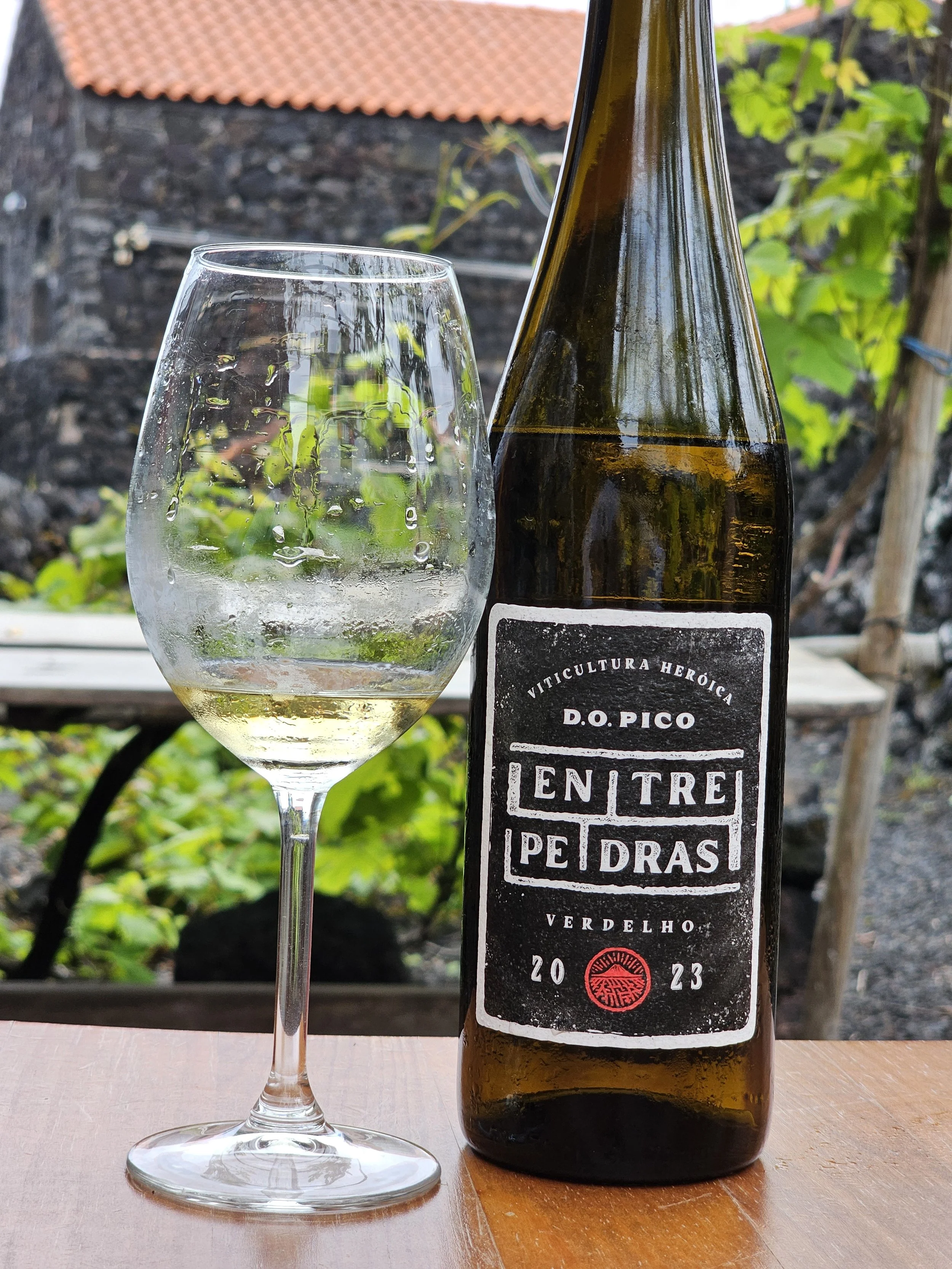
Entre Pedras Verdelho 2023
Quisque iaculis facilisis lacinia. Mauris euismod pellentesque tellus sit amet mollis.